Start with a brief, not a bestseller list
To find your signature scent, describe what you want to smell like, where you will wear it, and what you are comfortable spending. Use that short brief to choose a few samples, then compare them during ordinary days. The goal is a fragrance you want to return to, rather than a bottle that wins a popularity contest.
A signature does not have to be your only perfume or a permanent decision. For this guide, it means your reliable default: something you reach for without needing a special occasion. That definition makes the search manageable. You are choosing a useful part of your routine, not trying to capture every part of your personality in one scent.
Describe smells in your own words
Write down three smells you enjoy and two you would rather avoid. Think beyond perfume: citrus peel, a pencil case, fresh herbs, sweet pastry, clean laundry, or a flower you know well. Add the detail that makes each appealing. Dry wood is a more useful clue than wood alone; sharp lemon is different from lemon cake.
Turn those associations into a direction you can explain at a fragrance counter: green and woody, a little bitter, with very little sweetness. You do not need to know every fragrance family or ingredient. Keep the brief open to surprises, too. Enjoying coffee does not mean every coffee fragrance will suit you; judge the complete perfume rather than checking for your favorite word.
Give the fragrance an everyday job
Choose the setting where you most want a default scent. Your answer might be a shared office, working from home, weekends outdoors, or evenings with friends. Then describe the experience you want: a small personal pleasure, something noticeable when someone is nearby, or a more expressive presence for social occasions.
If those settings call for very different choices, prioritize the one you encounter most often. A perfume you love for an occasional dinner may still be a poor answer to your search for a weekday default. Conversely, you do not have to make an evening favorite behave like an office fragrance just to justify owning it. Give each candidate a clear job before deciding whether it succeeds.
Set a bottle budget and a discovery budget
Set two limits: what you can spend finding the scent, and what you would comfortably pay for the bottle. Include delivery charges when comparing sample options. A discovery budget keeps small purchases from accumulating, while a bottle limit prevents you from choosing something you would regret paying for.
As a hypothetical example, you might allow $30 for samples and $150 for a bottle. These are planning choices, not recommended minimums. Consider the smallest size you would enjoy owning. A larger bottle can offer a lower price per milliliter while requiring more money than you want to spend.
Turn the brief into a worked shortlist
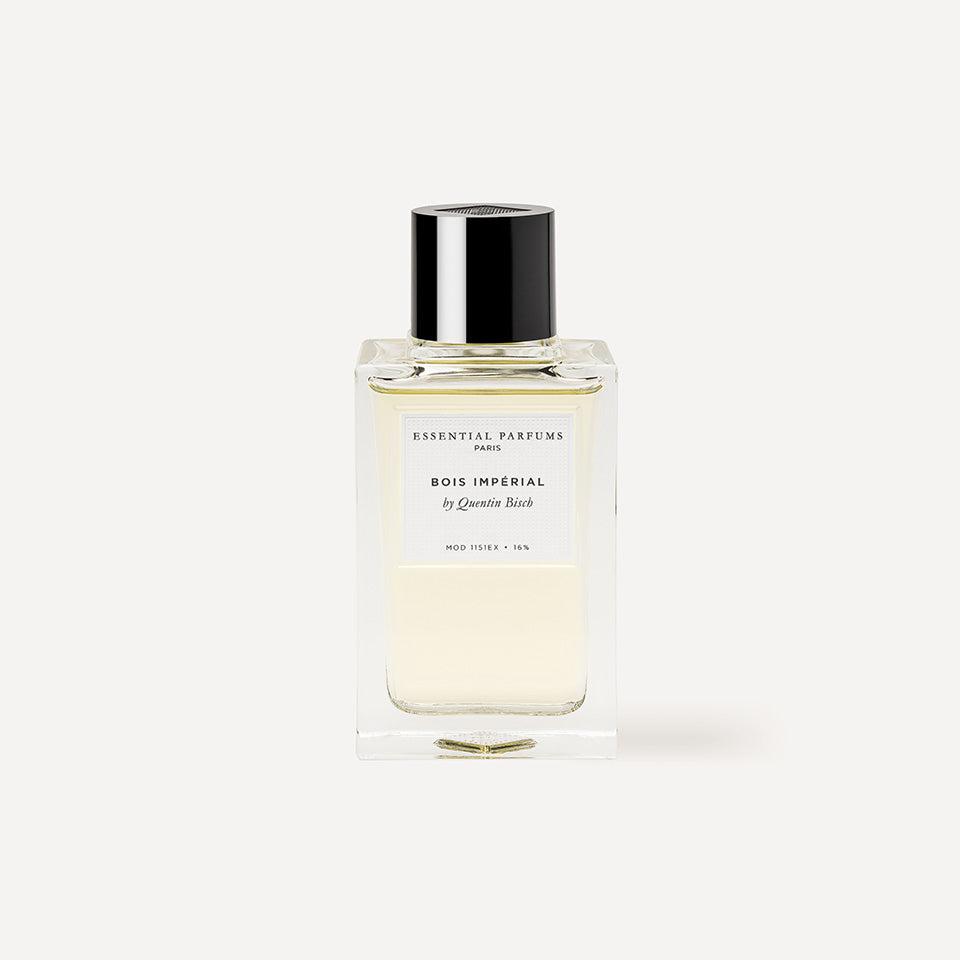
Consider a brief asking for green woods, little fruit sweetness, and a bottle below $150. Essential Parfums describes Bois Impérial Eau de Parfum through Thai basil, Timut pepper, vetiver and woody materials. Its US page listed the 100 ml bottle at $130 when checked November 4, 2026, before any tax or delivery costs. That makes it a relevant sample for this brief, rather than an automatic purchase. The herbal direction is an editorial inference from the brand description, not a measured wear result.
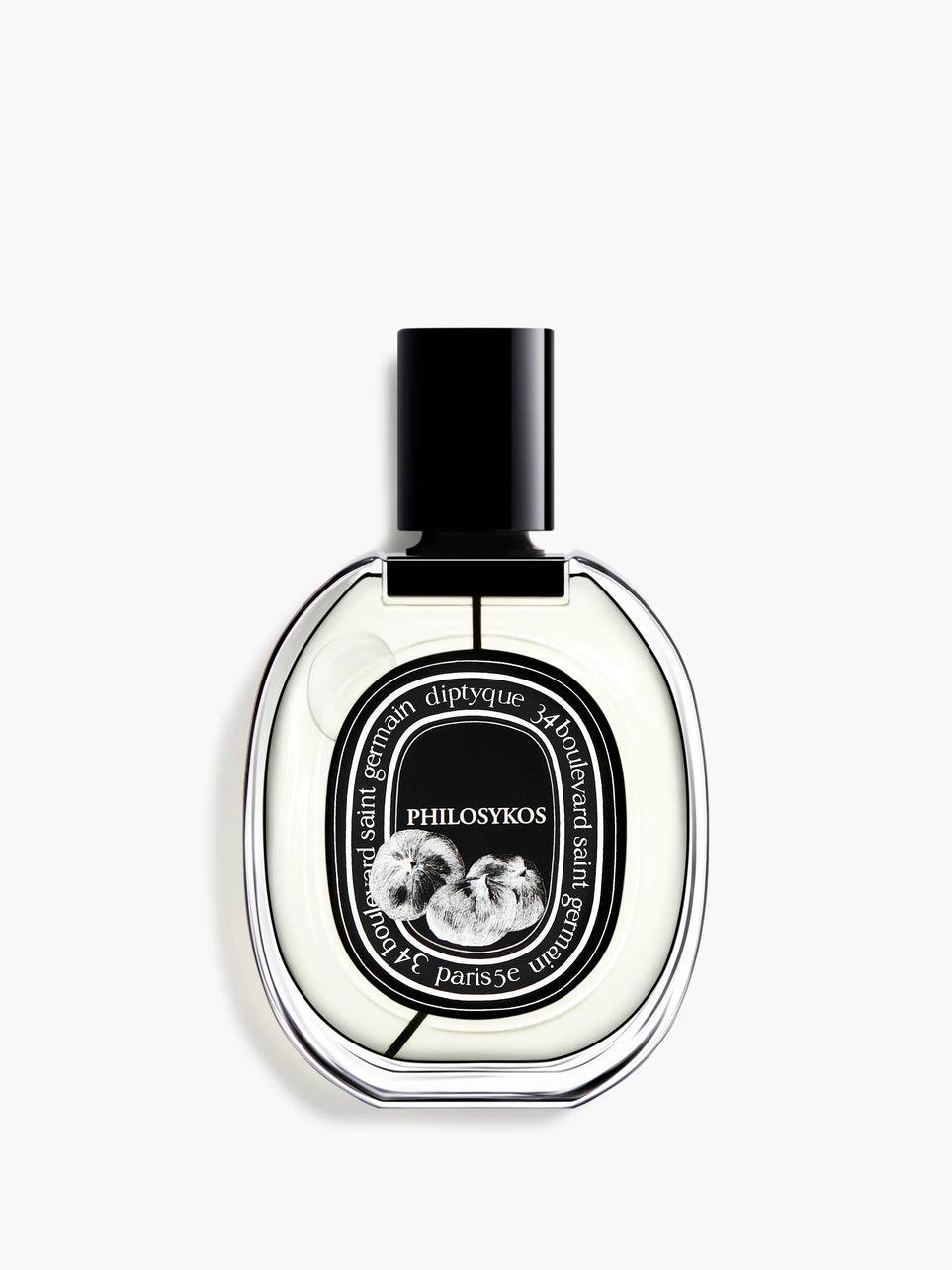
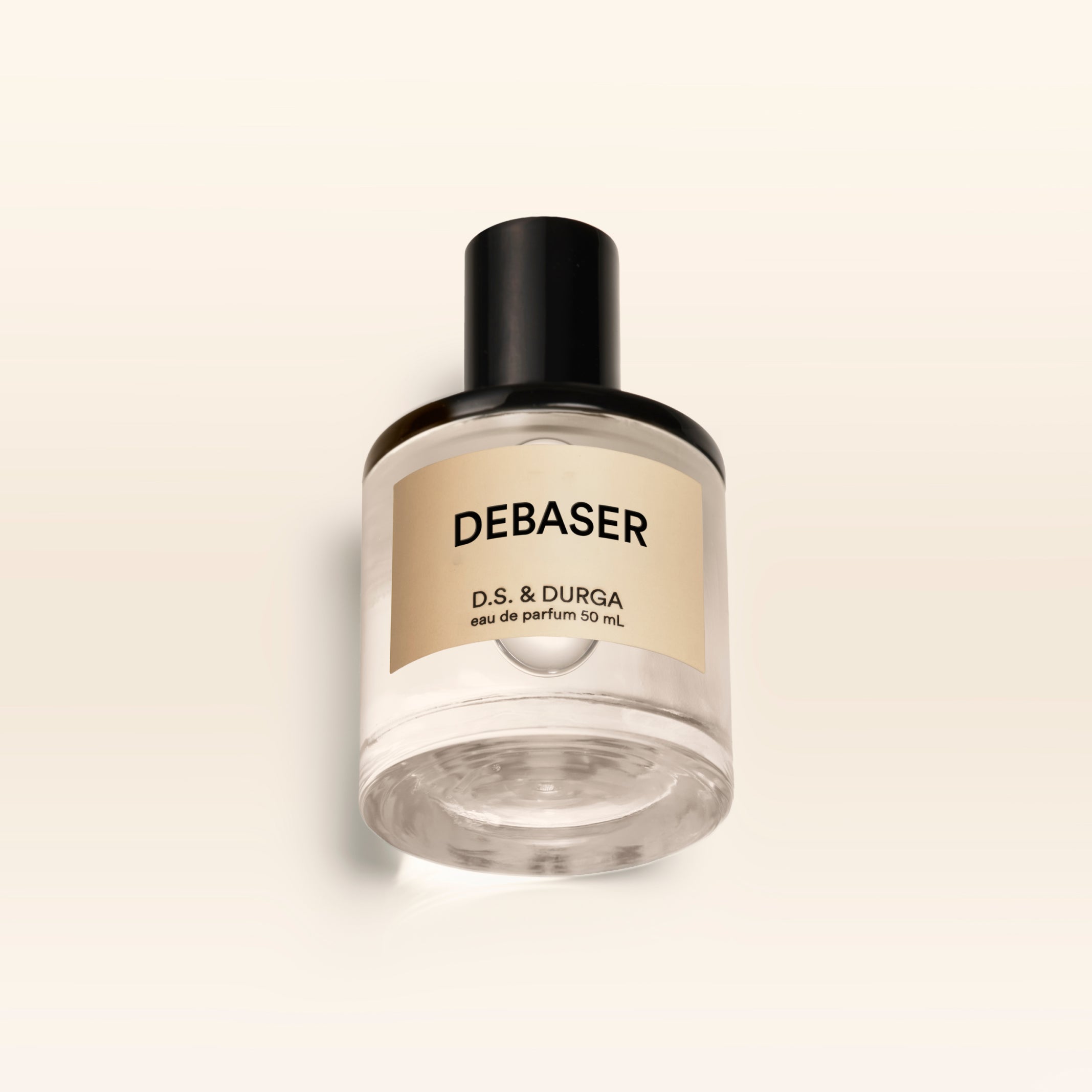
Change the brief to fig, a milky impression and a willingness to investigate a higher bottle budget, and compare Philosykos Eau de Parfum with Debaser Eau de Parfum. Diptyque describes Philosykos EDP through fig leaves, sap and wood, emphasizing white cedar over the fruit. D.S. & Durga lists fig, coconut milk and iris in Debaser, with tonka and blond woods. Those descriptions suggest a useful question: do you prefer a tree-and-bark emphasis or a coconut-and-fruit direction?
These are source-based reasons to sample, not claims from hands-on testing. Confirm the current price and exact bottle size against your limit before ordering either fig candidate. Also record the precise version: this shortlist means Philosykos Eau de Parfum, not its Eau de Toilette, and the named Bois Impérial Eau de Parfum bottle. Keep the sample until the bottle purchase is settled.
Make notes during ordinary wear
Try each candidate on a separate day when possible, and check it at different points in your routine. Make brief notes about the beginning, a later moment, and the end of the period you wanted it for. These are your impressions under those conditions, not a laboratory measurement or a promise of identical performance next time.
Use questions that support a decision: Do I enjoy smelling this now? Is the sweetness comfortable? Does it fit the setting I chose? Would I willingly put it on again tomorrow? If you are unsure, repeat the wear before adding more candidates. A second ordinary day can be more useful to your decision than another evening scrolling through descriptions.
Choose the one you want to repeat
Return to the original brief and compare your notes against it. A sensible winner fits your main setting, stays within your comfortable budget, and gives you repeated enjoyment. You do not need unanimous approval from friends or a dramatic first impression. If your favorite misses one of those conditions, decide consciously whether to revise the brief or keep looking.
If nothing feels right, write down what the samples taught you before buying more. Perhaps you wanted less sweetness, softer woods, or something less noticeable nearby. Make one adjustment and try another small group. Finding your signature scent becomes easier when each round answers a specific question, and it is perfectly reasonable to finish with a small sample you enjoy while the search continues.
Sources
- Essential Parfums US — Bois Impérial Eau de Parfum 100 ml (accessed )
- Diptyque US — Philosykos Eau de Parfum (accessed )
- D.S. & Durga — Debaser Eau de Parfum (accessed )