Read for fit before you read for a verdict
The most useful way to read perfume reviews is to look for three things: the exact fragrance being discussed, the conditions behind the description, and the reviewer's taste. A high score alone cannot tell you whether a perfume belongs in your collection. A detailed negative review can offer a better reason to sample something than an enthusiastic recommendation.
Start by writing down what you want from the purchase. That might be a quiet fragrance for shared spaces, a sweet scent for evenings, or something that feels different from bottles you already own. Read with that purpose in mind. You are gathering clues for your own decision, rather than trying to discover which reviewer has the correct opinion.
Check the full name on the bottle
Before comparing opinions, match the review to the product you intend to buy. Check the brand, complete name, and version, including Eau de Toilette, Eau de Parfum, Parfum, Extrait, and any additional words on the label. Treat an unspecified version as a gap in the review, especially when a shopping page offers several choices under one familiar name.
Also check the review date and whether the writer identifies the bottle or sample used. An older review is not automatically irrelevant, but it should not be your evidence for today's price or stock. If someone claims that a fragrance has changed, look for a clear comparison and supporting information before treating that claim as established fact.
Separate scent description from personal preference
Look for the reason behind words such as beautiful, boring, harsh, or comforting. A complaint about sweetness tells you more when the writer explains whether they generally avoid sweet perfumes. Likewise, praise for a familiar scent may matter less if your main goal is finding something unusual. Try translating each verdict into a concrete preference you can compare with your own.
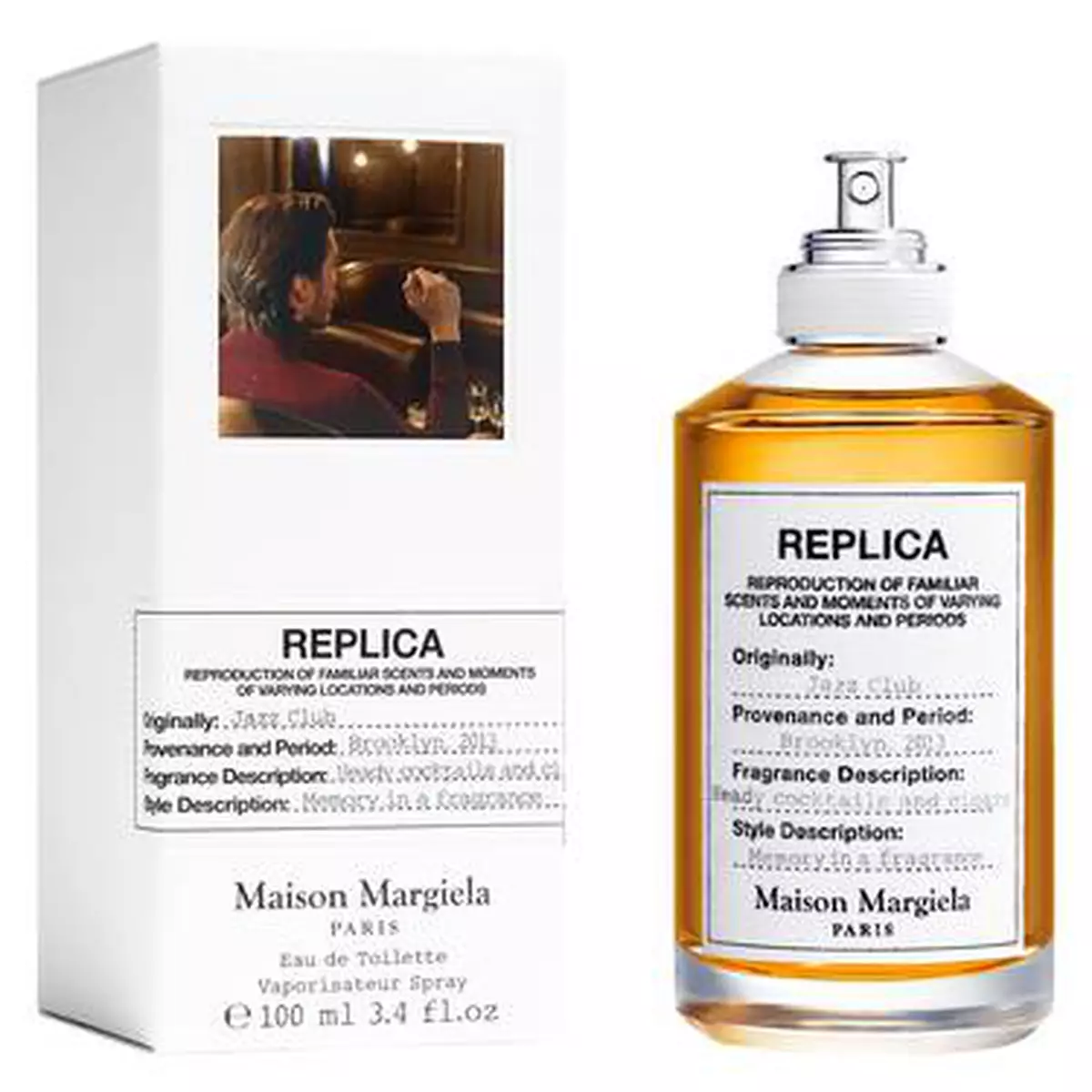
Jazz Club offers a useful example. Maison Margiela identifies it as an Eau de Toilette and describes tobacco leaf, pink pepper, rum, and vanilla in its composition. Imagine a hypothetical reviewer who dislikes its rum and tobacco direction. If that is exactly the combination you want to explore, their objection could move it onto your sample list. This is a reading exercise based on the brand's description, not a report of measured wear or an actual customer review.
Ask what the reviewer actually experienced
Give more weight to a review that explains its basis. Did the writer smell a paper strip briefly, wear a sample on skin, or revisit a bottle over several occasions? Those accounts answer different questions. A first impression can help you identify an opening worth exploring, while a longer account may offer more detail about what the writer noticed later.
Check whether the setting resembles your intended use. A reviewer describing an evening outdoors is not directly answering your question about a small office. Useful context includes application amount, skin or clothing, time spent wearing it, and the environment. Missing context does not make an account worthless; it limits how confidently you can transfer it to your situation.
Keep performance claims in separate boxes
When a review calls a perfume strong, work out what that means in the account. Is the writer describing how far away they noticed it, the scent left behind as they moved, or how long they could detect it close to the application area? Those are different buying concerns. Look for descriptions of the observation rather than relying on a single performance score.
Treat an hour count as that reviewer's report, not a promise. Ask what counted as the endpoint: no longer noticeable during normal activity, or no trace even at close range? Avoid converting several incompatible reports into a precise average. Use disagreements to identify a question for your sample test, such as whether the fragrance remains noticeable through your usual afternoon.
Notice the evidence and the commercial context
A source-based assessment can explain a brand's stated notes and compare purchase options without providing independent wear evidence. A hands-on review should make clear what was tried. Look for that distinction, along with disclosures about gifted products, incentives, or affiliate links. Commercial involvement is context to consider alongside the specificity of the account.
For example, the official Jazz Club page states that its average rating includes incentivized reviews. That disclosure does not establish that any particular opinion is inaccurate. It does mean that the headline score alone leaves out useful context. Read the reasoning in individual accounts, and separate complaints about delivery or packaging from comments about the fragrance itself.
Turn your reading into one useful next step
After a few detailed reviews, summarize what you know in ordinary language: the version matches, the described style interests you, and one uncertainty remains. Stop collecting opinions when new reviews only repeat the same points. More agreement will not resolve a question that depends on whether you enjoy wearing the scent.
Use the remaining uncertainty to guide a sample trial. If sweetness is the concern, pay attention to whether you still enjoy it after the opening. If quiet wear matters, assess it in your normal setting. Buy a bottle when your own experience answers the important questions and the current cost suits you. A review has done its job when it helps you choose what to try and what to notice.