The difference starts with the house
In everyday fragrance shopping, designer usually describes perfume from a broader fashion or luxury brand, while niche usually describes a house centered on fragrance. These are useful shopping labels, but they do not give you a quality ranking. A niche perfume is not automatically more interesting, and a designer perfume is not automatically easier to like.
The distinction is useful when it gives you another place to look. If you want to explore a perfume-focused house, niche is a starting point. If you already like a fashion brand’s aesthetic, its fragrances are another place to begin. Neither route tells you which bottle deserves your money.
Recognize the business, then look past it
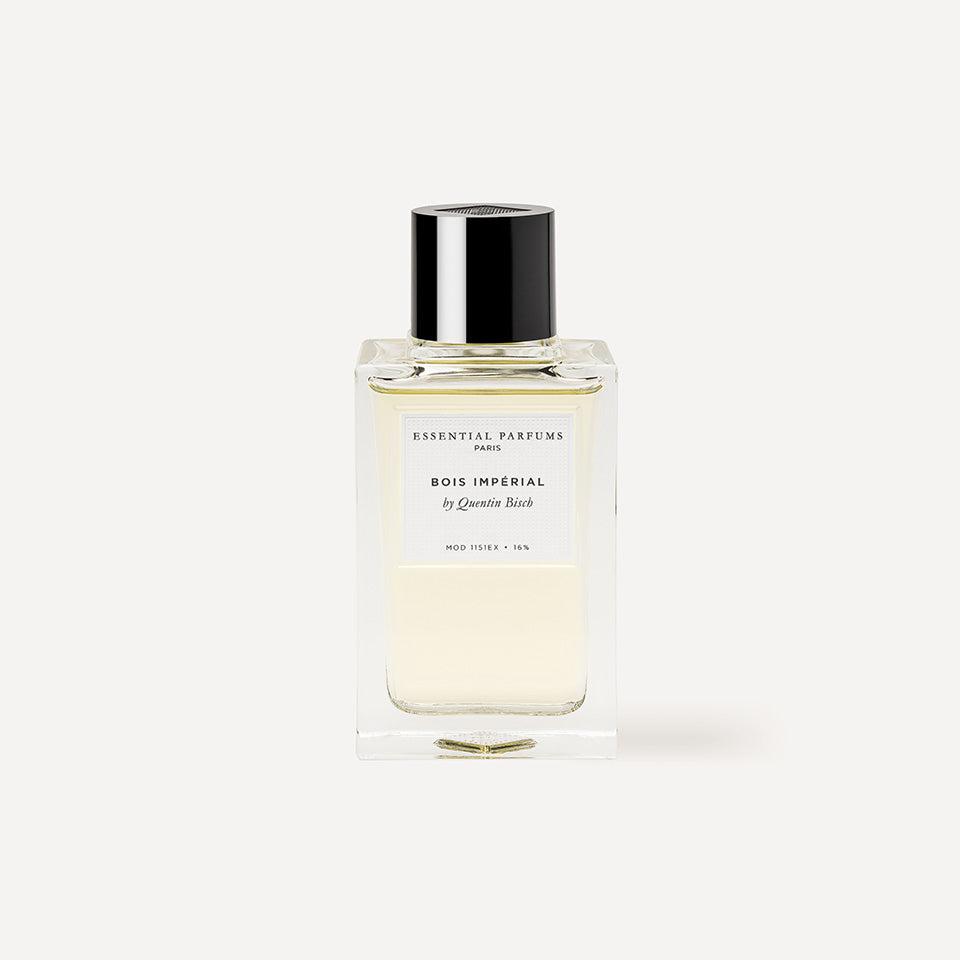
Chanel makes the designer side easy to understand: its official website presents fashion and haute couture alongside fragrance, makeup and jewelry. Essential Parfums illustrates the fragrance-focused side, with a site organized around perfumes, perfumers and scented products. It also explicitly places Bois Impérial within niche perfumery.
Do not turn those examples into a rigid checklist. Selling soap or candles does not make a perfume house a fashion brand. Equally, a prestigious collection from a designer house does not require a new label before you can enjoy it. When a category becomes debatable, return to the specific fragrance and what you want it to do.
Niche does not mean the higher price
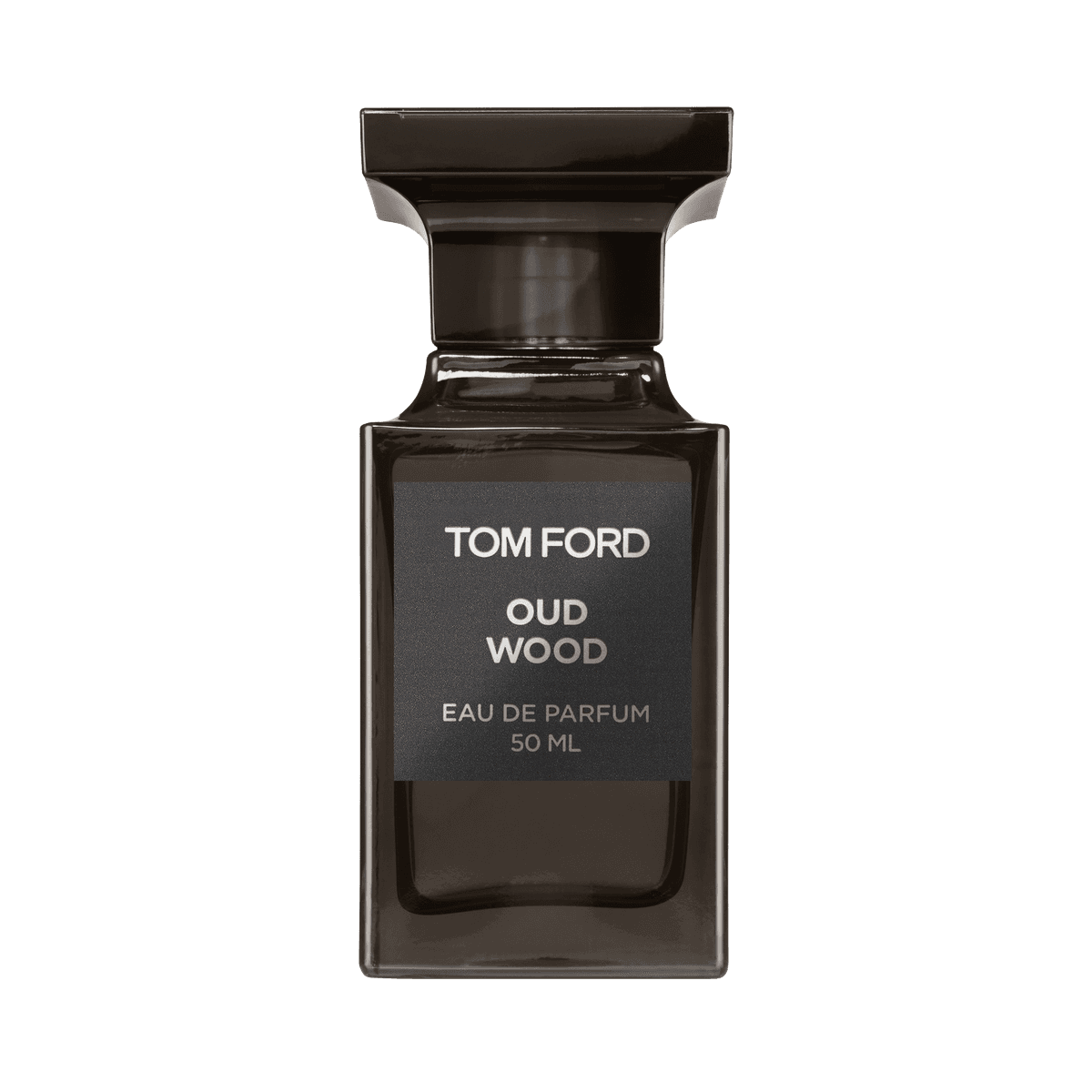
On the US brand pages checked November 4, 2026, Essential Parfums Bois Impérial Eau de Parfum was listed at $130 for a refillable 100 ml bottle. Tom Ford Oud Wood Eau de Parfum was listed at $300 for 50 ml. Here, the fragrance-focused house offers the lower bottle price and more liquid.
That comparison does not establish the usual price of either category. It shows why the label cannot substitute for checking the actual offer. Compare the exact concentration, volume and total you will pay. A smaller bottle can cost less overall while costing more per milliliter; the larger one is only useful value if you actually want that much perfume.
Two woody perfumes, different directions
Essential Parfums describes Bois Impérial Eau de Parfum through Thai basil, Timut pepper, vetiver and woody materials including Akigalawood. Tom Ford describes Oud Wood Eau de Parfum through rosewood, cardamom, oud notes, sandalwood, vetiver, tonka bean and amber. These are the brands’ descriptions, rather than findings from a comparative wear test.
Based on those descriptions, Bois Impérial is the more logical sample to investigate if your brief is herbal spice and woods. Oud Wood is the more logical sample if you want to explore woods with warm amber and tonka associations. That is an editorial sampling suggestion, not a claim that either will smell a particular way on you. Their shared woody territory does not make them interchangeable.
Separate character from performance
Words such as unusual, polished, simple and complex are judgments worth forming for yourself. An unfamiliar combination can be enjoyable or distracting. A familiar style can be exactly right for daily use. Choosing something comfortable is a valid preference, even when a more adventurous option attracts more discussion.
Likewise, do not buy either category expecting a guaranteed number of hours or a particular amount of projection. The label alone supplies no measurement. If presence matters to you, make it part of your sample notes: can you still notice the perfume later, and is its presence comfortable for the setting where you intend to wear it?
Build a comparison that can change your mind
Start with one brief, such as dry woods for work or a floral perfume you would enjoy on weekends. Pick a candidate from each category that appears to answer it. Comparing two completely different scent directions mostly reveals which style you prefer, rather than anything useful about niche and designer.
Confirm that your sample matches the version you might buy. In the examples above, that means Eau de Parfum for both products. Write down the opening impression, your response later in the day, and whether you felt like wearing it again. Repeat on another day before treating a strong first impression as a buying decision.
Buy for the role it earns
Choose the bottle that fits your taste, spending limit and actual routine. If you prefer the designer candidate, there is no need to graduate away from it. If the niche candidate gives you something you have been looking for, its appeal does not need to depend on exclusivity.
Keep both categories open when you shop. A useful collection can contain either, both or just one perfume. The best outcome of learning the distinction is a wider, better-directed search, followed by a smaller shortlist that you have a clear reason to wear.
Sources
- Chanel US: fashion, fragrance and other categories (accessed )
- Essential Parfums US: fragrance collections and niche positioning (accessed )
- Essential Parfums Bois Impérial Eau de Parfum 100 ml: US price and description (accessed )
- Tom Ford Oud Wood Eau de Parfum 50 ml: US price and description (accessed )