What a perfume note tells you
Perfume notes are the named smells used to describe a fragrance: lemon, rose, vanilla, tobacco, and many more. A fragrance pyramid arranges those descriptions into top, heart, and base notes. Top describes the opening impression, heart describes the central character, and base describes the deeper, lingering part of the composition.
If you want perfume notes explained in a way that helps you shop, read all three groups together. A lemon opening does not mean the perfume will stay citrusy, and a vanilla base does not tell you whether the whole scent will feel like dessert. The surrounding notes give those words context.
Top notes introduce the fragrance
Top notes are the first impression after application. Citrus fruits and aromatic herbs are common examples. Jo Malone London describes this part of a fragrance as light and fresh, with the heart becoming clearer as the opening fades.
Treat that first sniff as an introduction. If a bright opening is the part you love most, make a point of checking whether you still enjoy the fragrance later. The first spray can earn a place on your shortlist; it should not have to carry the entire purchase decision.
Heart notes establish the main theme
Heart notes are also called middle notes. They describe the central theme as the opening recedes. Florals, fruits, and spices often appear here, although these are examples rather than rules about where an ingredient must belong. Molton Brown uses jasmine, rose, black pepper, and cardamom as examples in its notes guide.
When comparing two perfumes, look for the difference in their hearts. Instead of stopping at a shared citrus opening, ask what follows it. Would you rather spend time with a floral impression or a spicy one? That question gives your next sampling session a clear purpose.
Base notes deserve a later sniff
Base notes supply depth and describe the more persistent facets of a perfume. Woods, musk, and vanilla are common examples. The settled impression later in wear is often called the drydown. This is a useful stage to assess because you may enjoy an opening more than the scent it leaves behind.
Do not turn the pyramid into a stopwatch. It gives you a broad structure, rather than a guarantee that one group will disappear at a particular minute. When testing, record what you actually notice instead of waiting for a named note to arrive on schedule.
A worked example: Jazz Club Eau de Toilette
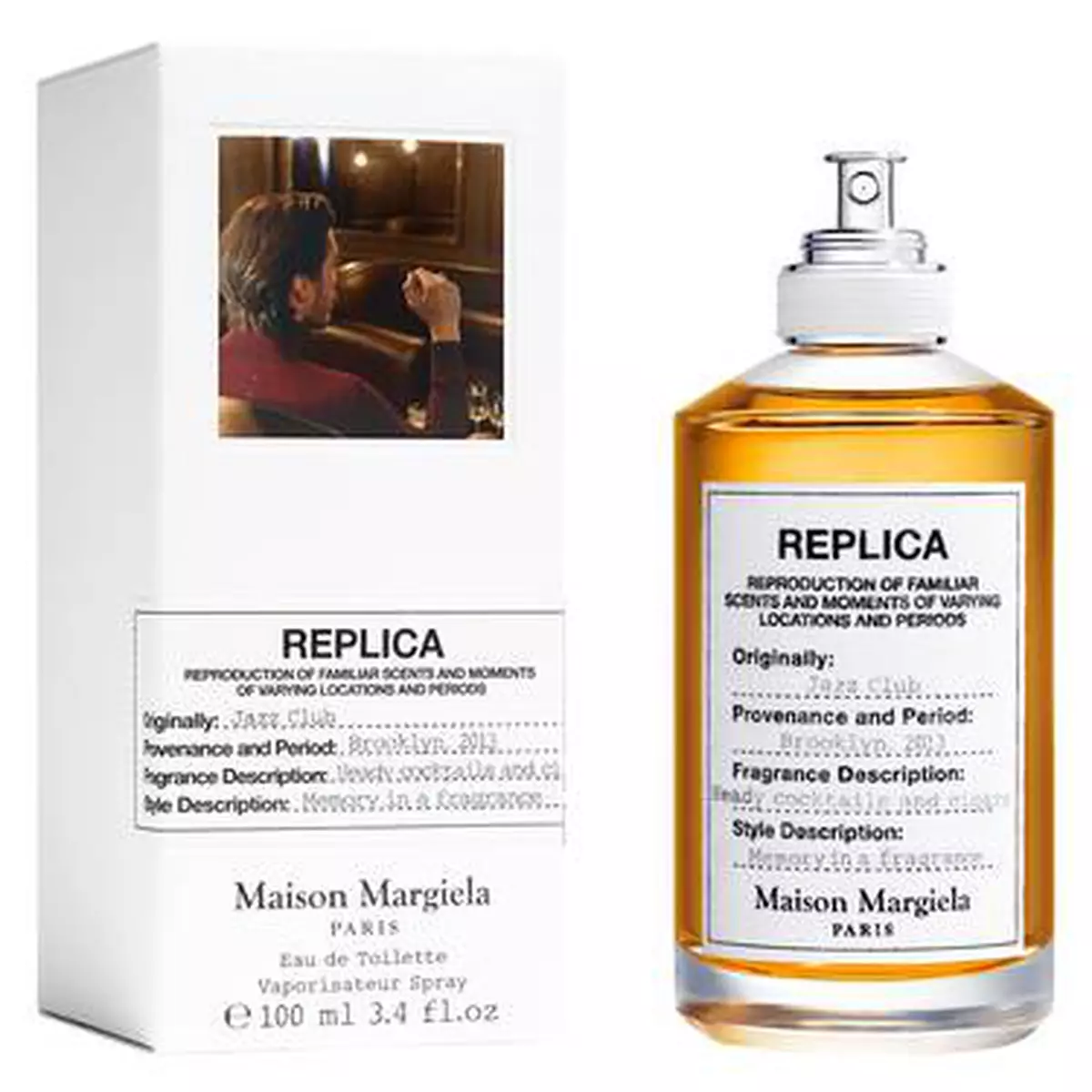
Maison Margiela publishes this pyramid for REPLICA Jazz Club Eau de Toilette. At the top are pink pepper essence, Primofiore lemon oil, and neroli oil. The middle contains rum absolute, clary sage oil, and Java vetiver oil. The base lists styrax resin, tobacco leaf absolute, and vanilla bean CO2.
Read that combination as a whole: citrus and pepper at the opening sit within a composition that also includes rum, tobacco, resin, and vanilla. Our editorial inference is that someone seeking straightforward lemon freshness should investigate those warmer elements before buying. The brand describes a warm, spicy fragrance; this is a reading of its published composition, not a measured wear test.
The example also shows why searching for one favorite note has limits. Vanilla is present in the published base, but it shares that space with tobacco and resin. Use the complete pyramid to decide whether Jazz Club belongs on your sampling list.
Keep notes separate from the ingredient declaration
A scent description and an ingredient declaration answer different questions. On the Jazz Club page, the note pyramid appears separately from the ingredients, which begin with alcohol, water, and fragrance. Read the pyramid to explore the intended smell; consult the product label when you need ingredient information.
Use the pyramid to make a better shortlist
For your next sample, write down three simple impressions: what attracts you at first, what becomes the main theme, and whether you like what remains later. Plain words such as dry, sweet, green, soft, or sharp are enough. Identifying every listed material is unnecessary for deciding whether you enjoy wearing it.
Then compare those impressions with the published notes. If you love the opening but dislike the later scent, prioritize a different heart or base next time. If the later scent is your favorite part, give that combination more attention. The useful outcome is a more focused next choice, not a perfect score in recognizing ingredients.