The scent after the first impression
A perfume’s drydown is its later scent impression, after the opening has softened and the balance of the composition has changed. It describes what you smell as the fragrance settles into its later character. The opening is the introduction; the drydown helps you decide whether you enjoy spending more time with it.
If you are looking up perfume drydown meaning after a shop visit, the practical point is simple: liking the first spray does not tell you everything you need to know. Keep smelling the same application later, without adding another spray that restarts the opening.
A changing balance, not three separate perfumes
Top, heart and base notes are a useful way to describe development. The Institute for Art and Olfaction explains these categories through volatility and persistence, while stressing that their boundaries are flexible. A persistent material can also make itself known at the beginning.
Think of different parts becoming more or less prominent within one blend. You do not need to wait for every citrus impression to disappear before noticing something woody. Nor must a base note remain invisible until an appointed hour. A note pyramid is a guide to the composition, rather than a timetable for your nose.
Jazz Club makes the contrast easier to picture
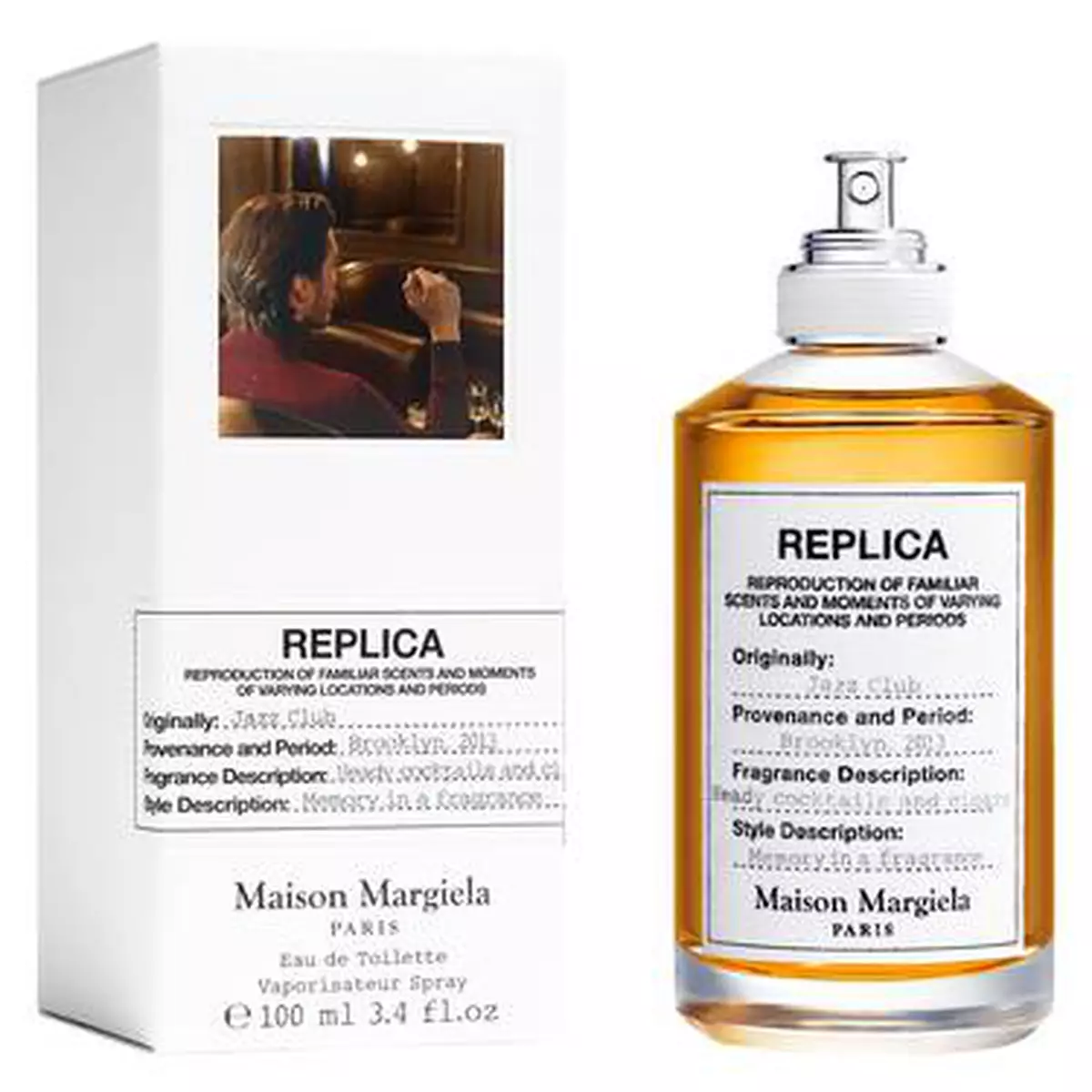
Maison Margiela’s REPLICA Jazz Club Eau de Toilette offers a concrete example. The brand lists pink pepper, Primofiore lemon and neroli at the top; rum, clary sage and vetiver in the middle; and styrax, tobacco leaf and vanilla at the base. It describes the fragrance around the atmosphere of cocktails and cigars.
That structure suggests a useful question for sampling: does the brighter, peppery introduction lead to a warmer tobacco-and-vanilla impression that you enjoy? This is an editorial reading of the brand’s notes, not a measured wear result or a promise that everyone will detect each stage in that order.
Someone drawn to the listed lemon might want more freshness than the later composition offers. Someone curious about tobacco might find the opening alone insufficient to decide. Both should revisit the same application. The exact example here is Jazz Club Eau de Toilette; the name of a scent or collection alone is not enough to identify a version.
Write a small diary without hunting for notes
For a simple trial, record your first impression, revisit it after roughly half an hour, and check again a few hours later. These are convenient observation points, not deadlines for reaching the drydown. Leave room to return later if the perfume still seems to be changing.
An illustrative diary entry might read: bright citrus at first; warmer tobacco and vanilla later. That is a hypothetical example based on Jazz Club’s listed structure, not a report from wearing it. Your own entry could be much less specific: sharp at first, softer later, still too sweet for me.
Use words you recognize. Compare sweetness, freshness, dryness, warmth and texture before trying to identify individual materials. Add whether you want to smell it again. That preference is more helpful for a purchase than successfully naming every note on a product page.
Separate character from strength
Keep two questions in separate diary lines: what does it smell like now, and how noticeable is it? A scent can seem quieter while retaining a similar character. Equally, you might notice a large change in character without wanting to make any claim about its overall staying power.
Avoid translating drydown into a fixed longevity rating. Saying that you liked the later woody impression describes a preference. Saying that the perfume lasted all day describes a particular wear observation and needs its own context. Neither statement automatically proves the other.
Use the whole wear to make the decision
Before buying, ask whether you enjoy the introduction, the transition and the later impression enough for how you intend to wear the perfume. You may accept an opening you merely like if the later scent is the part you love. You may also decide that an exciting first minute does not compensate for a later character you keep wishing would change.
Make that decision from your own sample where possible. If your notes say that the opening is lovely but the drydown is too sweet, take that contrast seriously. You have learned something specific about the composition and your taste, even if you cannot identify the ingredient responsible.